Central Park and the Long-Lost Ramble Cave

In New York City’s Central Park, just below the 79th St. Traverse, lies a heavily wooded area, interwoven with narrow, winding trails, and dotted with large granite boulders.  While The Ramble, as it’s known, may appear to be the most natural place in the city it only looks that way thanks to the efforts of Central Park’s planners Frederick Law Olmsted and Calvert Vaux, as well as the original builders of the Park who put in countless hours constructing a landscape that would seem rustic and remote.  But for all their hard work, Central Park has changed.  Like everything else in New York City the Park is constantly evolving, but if you know just where to look you can still find traces of its original features.  One of the more interesting cases is that of the long-lost Ramble Cave.
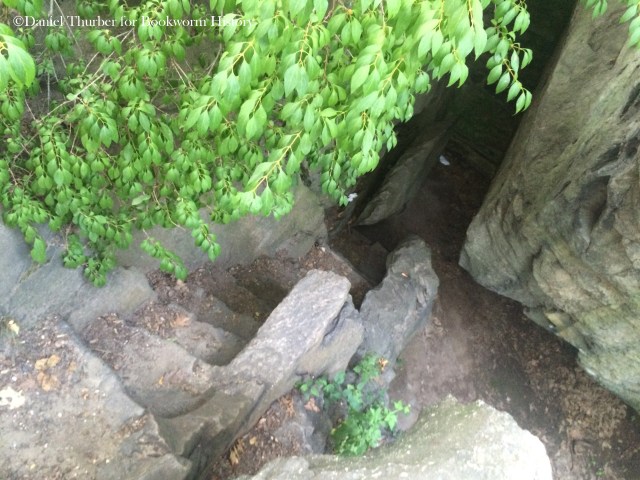
ramble-cave-stairs-central-park-new-york-city-bookworm-history-daniel-thurber Continue reading “Central Park and the Long-Lost Ramble Cave”
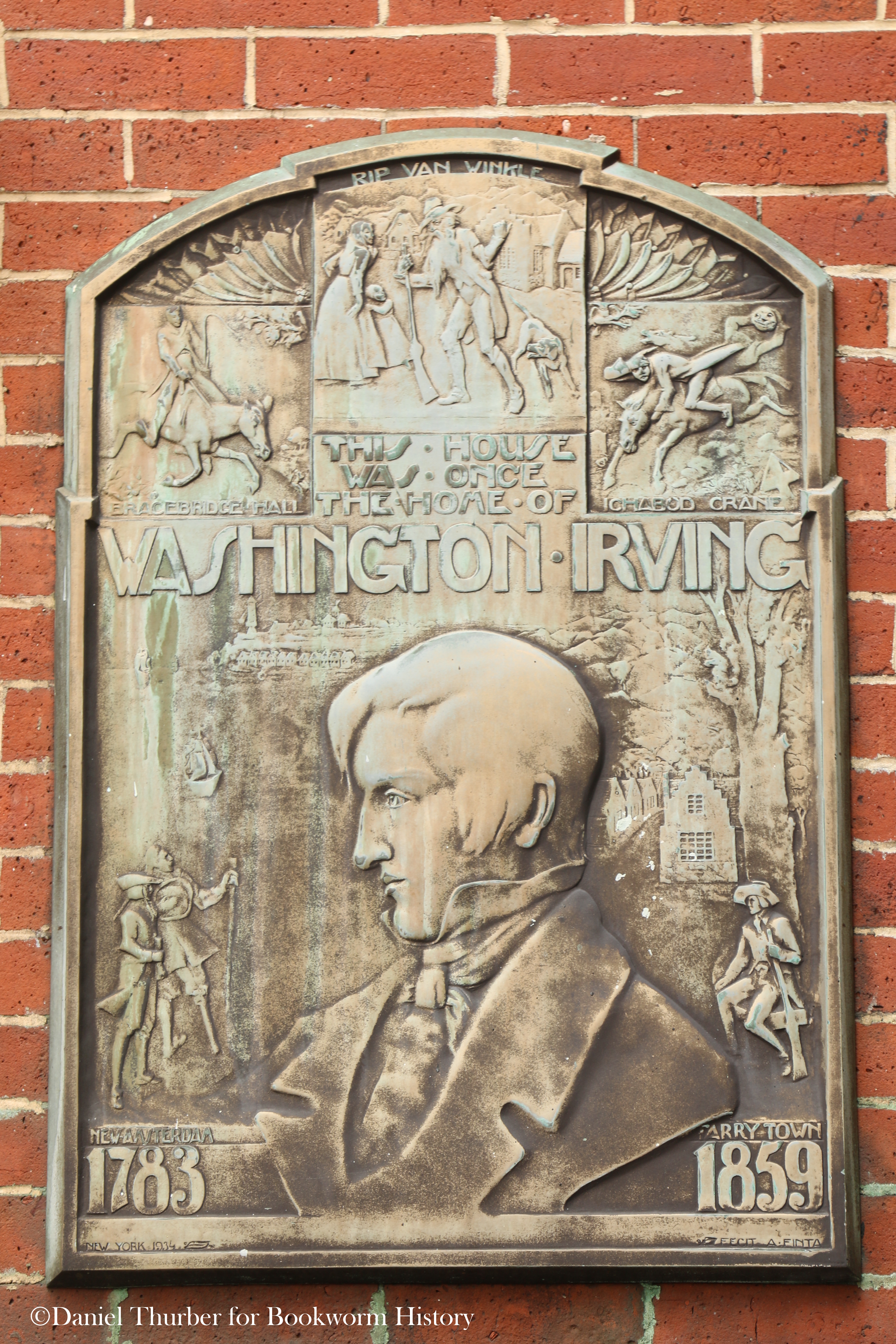
The Puzzling History of the “Irving House”

Sandwiched between Park Ave. and Third Ave., just east of Union Square, is the small stretch of city street known as Irving Place. Extending south from Gramercy Park, it was once the fashionable district of artists, actors, and the creme-de-la-creme of Gilded Age high society. At the southwest corner of 17th Street and Irving Place sits a small two-story house of red brick, curiously out of sync with the other houses around the area. While it, and several dwellings behind it along 17th are all of the same basic design (and all preserved as NYC Landmarks in 1998 as the “East 17th Street/Irving Place Historic District”), the house at the corner, 49 Irving Place, is decorated just a little more than the others. While all are preserved, stories say that this house was once home to famous early-American writer Washington Irving. A large bronze plaque on the north side of the “Irving House” confirms his involvement here. There’s just one little problem.

Irving never so much as crossed the doorstep.

the-irving-house-plague-washington-irving-bookworm-history-daniel-thurber

Continue reading “The Puzzling History of the “Irving House””

New Episodes! “Water for New York City” and “The Remains of the Reservoirs”!

Greetings, folks!  I just put a pair of new episodes up over on the Bookworm History YouTube channel.  The first is called “Water for New York City” and is all about New York’s early attempts at creating a sustainable water source.  What do street gangs, fatal duels, and pastoral parks have to do with New York’s water supply?  Click the title card below to find out!

Water for New York City

Next, I decided to do some searching outside of the library and set out to find any remaining pieces of the Old Croton reservoirs in Manhattan.  It’s a little different from my normal programming, but I hope you enjoy it!

The Remains of the Reservoirs

I’ve been working on these projects for over a month now and it’s been a lot of fun and a lot of work.  Check them out, let me know what you think, and, as always, thanks for stopping by!

Defending the Hudson

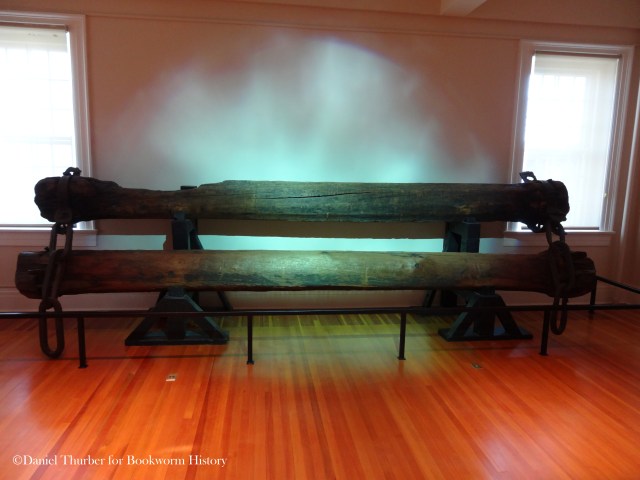
It was October, 1777, and the Continental Army had a problem. Although they had just won a resounding victory at Saratoga, they were just as soundly defeated further south at Forts Montgomery and Clinton, key strategic outposts on the Hudson River. With the victory at Fort Montgomery the British quickly set about tearing down the lanky chain the Colonists had stretched across the river to impede the British Navy. Now the Hudson River, and important cities like Poughkeepsie (Continental ship-building hub), Kingston (the state capital), and Albany (the second largest settlement in the state after New York City) lay wide open to attack.

defending-the-hudson-west-point-chain-boom-washingtons-headquarters-bookworm-history-daniel-thurber

Continue reading “Defending the Hudson”